0 Can Sparring Be Taught in a Way That Is Both Safe and Fun?
- Blog
- by Administrator
- 02-03-2026
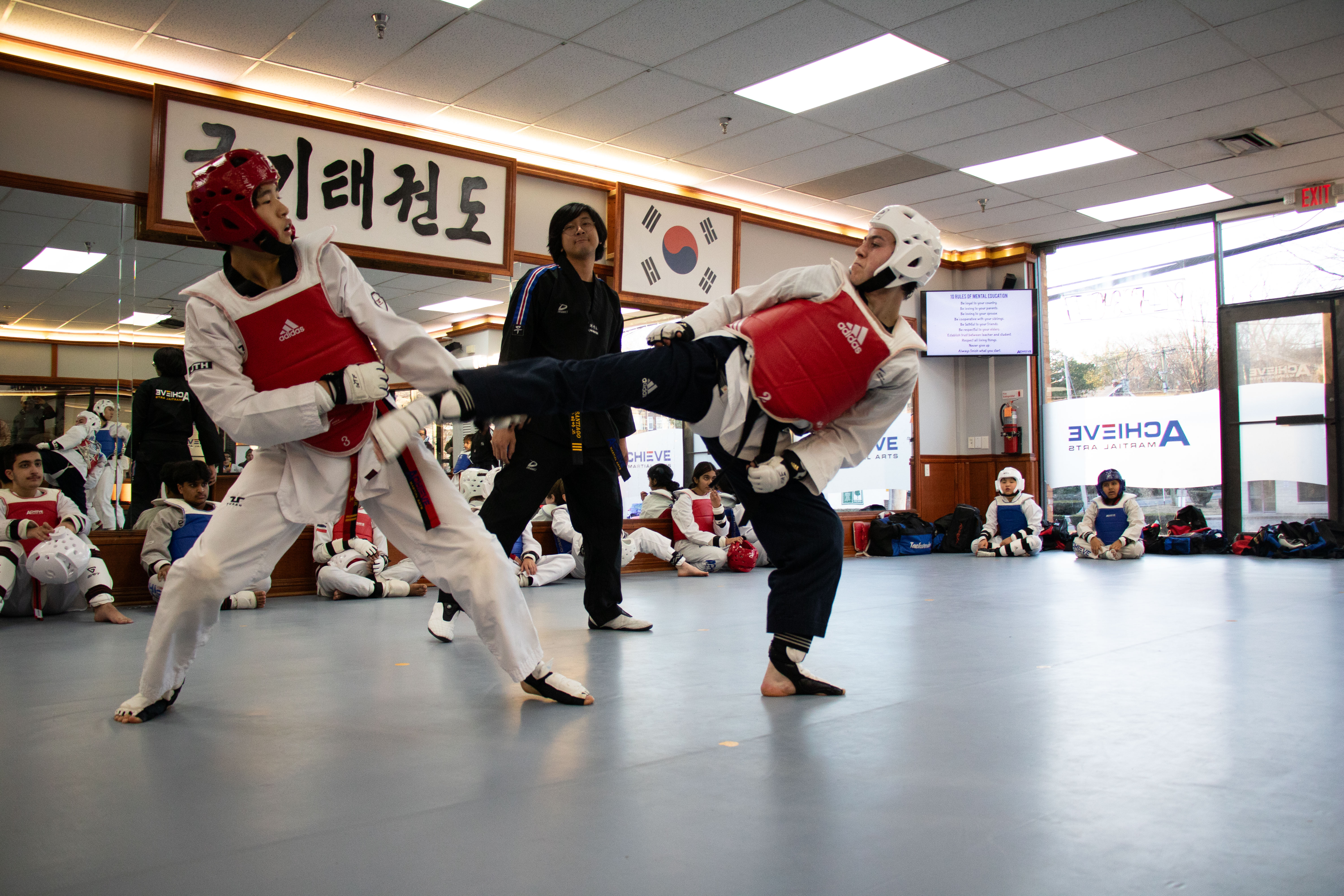
A common question for new martial artists is also a question that is not discussed enough. Can we make the process of learning to spar one that is fun but also functional and safe? In martial arts like taekwondo, sparring often means two students practicing with each other, not to fight, but to learn timing, control, and respect for an opponent. One key idea: if we set things up right — with clear rules, good gear, and a friendly attitude — then sparring becomes a positive part of growth instead of a risk.
Studies show that martial arts training in youth can improve physical fitness, coordination, and self-control. For example, a systematic review found that children participating in martial arts programs showed improvements in cardiorespiratory fitness, strength, agility, balance, and coordination. DOAJ+1 This suggests that when sparring is part of a well-structured program, the benefits ripple out beyond just kicking and punching.
It’s also important to realize that while sparring has benefits, the risk of injury must be managed. One clinical report on youth in martial arts noted that contact-based sparring with competitive conditions carries a higher risk of injury than non-contact drills. What we learn from that is: safety doesn’t mean “never spar,” it means “spar smart.” Good coaches adjust the level of contact, emphasize correct form, use protective equipment, and ensure students are matched fairly (in terms of age, size, and skill). The research supports that approach.
So how do we make sparring fun and safe? First: mindset. If students see sparring as a game of skill, respect, and learning — rather than “who wins this fight” — the atmosphere shifts. A recent pedagogical paper described how sparring can be framed cooperatively, so that partners help each other improve rather than simply competing against each other. Second: structure. Set clear rules (e.g., no strikes to the head, controlled speed), use appropriate gear, monitor fatigue, and make sure everyone knows the “why” behind what they’re doing. Third: progression. Start with light, controlled sparring, build skill, then increase the challenge when the student is ready. Fourth: fun. Include variation, make it a game, show progress, celebrate improvement. When kids laugh, cheer for each other, and see themselves getting better, that positive feeling makes learning stick.
Ultimately, yes — sparring can be taught in a manner that is both safe and fun. It requires thoughtful planning, strong supervision, and a community mindset that places growth over winning. When done well, the long-term benefits for young students go beyond martial arts: better coordination, stronger bodies, improved self-control, and more confidence. Let’s help our students spar, learn, and smile together.
SOURCES:
https://doaj.org/article/f5441542f18d45f5aac8d67c09d2f7f4
Sparring And Neurological Function In Professional Boxers – DOAJ
Youth Participation and Injury Risk in Martial Arts - PubMed